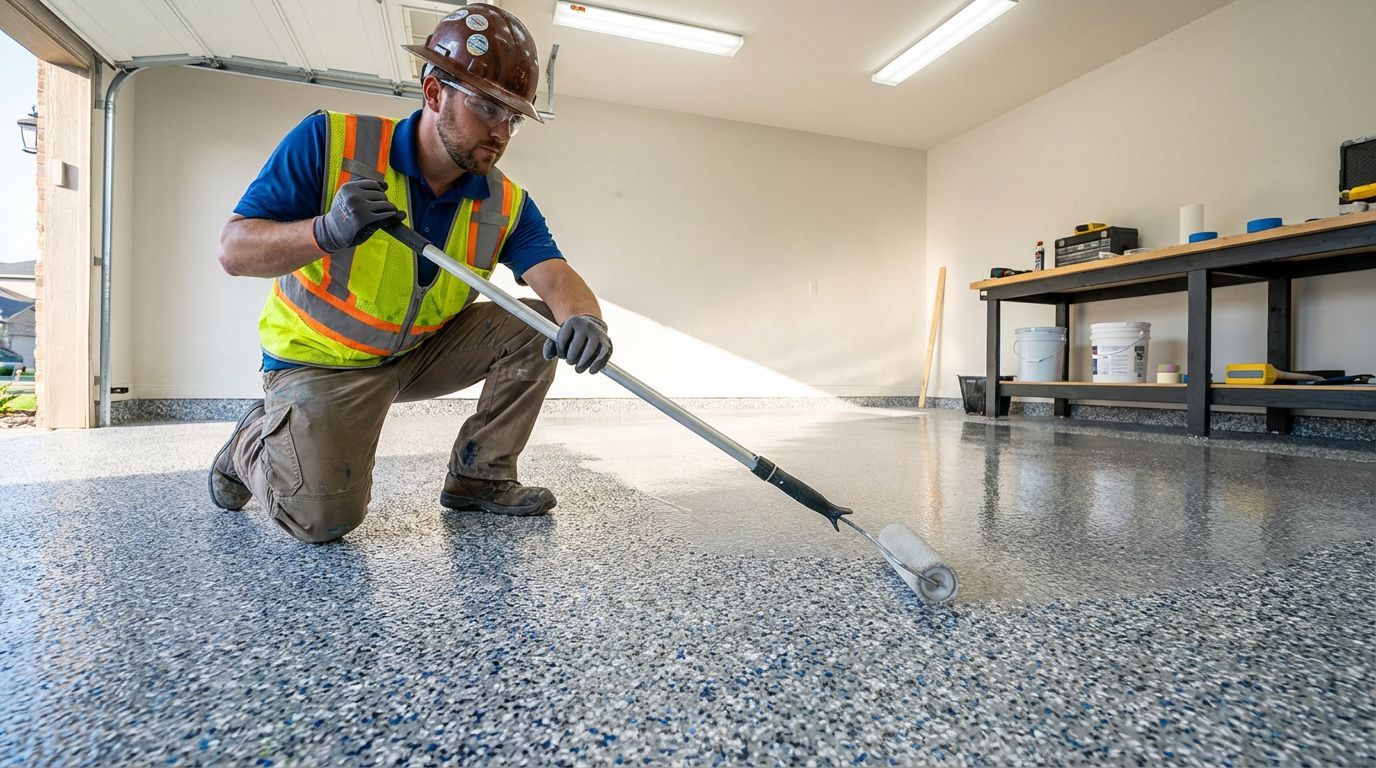
One of the biggest advantages of
polyaspartic floor coating
is its incredibly fast curing time. While traditional epoxy coatings can take several days to fully cure,
polyaspartic floor coating
can be walked on 24 hours after the final coat and driven on at 72 hours. This makes it an ideal choice for homeowners who need to get back to using their space quickly. The fast-curing time of
polyaspartic floor coating
is due to its unique chemical composition.
Polyaspartic floor flooring
is a type of aliphatic polyurea that cures through a chemical reaction that is much faster than the reaction used in traditional epoxy coatings. This allows you to use your space sooner, with minimal disruption to your daily routine.
General Polyaspartic Coating Curing Time Guide
Here’s a general guide to the curing times for polyaspartic floor coating:
You’ve just had your garage floor coated with a beautiful new polyaspartic floor coating. The finish is stunning, and you’re eager to start using your space. But before you can park your car or store your tools, you need to give the coating time to cure. So, how long do you have to wait?
At GatorGuard, we understand that you want to get back to using your space as soon as possible. That’s why we’re proud to offer
polyaspartic floor coating, one of the fastest-curing floor coating systems on the market. In this comprehensive guide, we’ll break down the curing times for
polyaspartic floor coating and answer some of the most common questions about this innovative flooring solution.
Polyaspartic Coating: The Fastest Curing Floor Coating on the Market
| Activity | Curing Time |
|---|---|
| Walking | 24 hours |
| Light Traffic | 48 hours |
| Driving | 72 hours |
| Heavy Traffic | 72 hours |
Please note that these are just estimates, and your actual curing time may vary depending on factors such as temperature and humidity. In general, warmer temperatures and lower humidity will result in faster curing times, while cooler temperatures and higher humidity will result in slower curing times.
The Polyaspartic Coating Curing Process
The curing process is a critical part of any floor coating installation. During the curing process, the coating undergoes a chemical reaction that transforms it from a liquid to a solid, durable finish. It’s important to allow the coating to cure fully before using the space, as premature use can compromise the quality and longevity of the finish.
Curing Stages
- Walking on the Coating: You can typically walk on a
polyaspartic floor coating 24 hours after the final coat. - Light Traffic: After 48 hours, you can begin to use the space for light traffic, such as moving furniture or storing tools.
- Driving: You can typically drive on a
polyaspartic floor coating 72 hours after the final coat. - Heavy Traffic: After 72 hours, the coating will be fully cured and ready for heavy traffic.
Read More
- What is Polyaspartic Floor Coating? Benefits, Cost & Guide
- How Much is Polyaspartic Floor Coating? 2025 Prices & Cost
Why Choose Polyaspartic Floor Coating?
In addition to its fast curing time,
polyaspartic floor coating offers a number of other benefits, making it a popular choice for homeowners and businesses alike.
Key Advantages
- Superior Durability:
Polyaspartic floor coating is highly resistant to scratches, stains, and chemicals. - UV Stability: Unlike traditional epoxy,
polyaspartic floor coating is UV-stable, which means it won’t yellow or fade over time. - Excellent Adhesion:
Polyaspartic floor coating has excellent adhesion to a variety of surfaces, including concrete, metal, and wood. - Low VOCs:
Polyaspartic floor coating is low in volatile organic compounds (VOCs), making it a more environmentally friendly option. - Wide Range of Colors and Finishes:
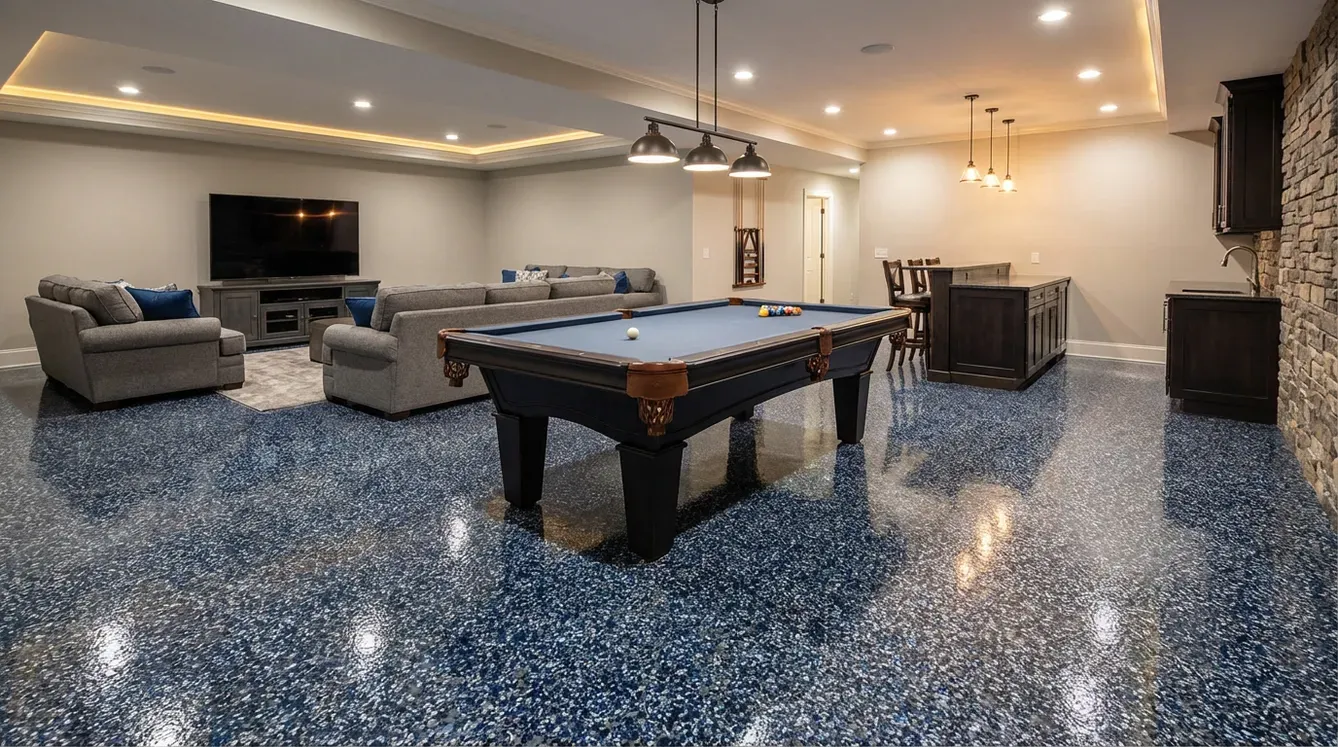
Polyaspartic floor coating is available in a wide range of colors and finishes. Explore our
gallery for ideas.
Factors That Can Affect Curing Time
While the curing times listed above are general guidelines, there are several factors that can affect the actual curing time of your
polyaspartic floor coating.
Environmental Factors
- Temperature: Warmer temperatures will result in faster curing times, while cooler temperatures will result in slower curing times.
- Humidity: Lower humidity will result in faster curing times, while higher humidity will result in slower curing times.
- Thickness of the Coating: Thicker coatings will take longer to cure than thinner coatings.
- Ventilation: Good ventilation can help to speed up the curing process.
Why Choose GatorGuard for Your Polyaspartic Floor Coating Project?
When it comes to polyaspartic floor coating, you want a company that has the expertise, experience, and commitment to quality that
GatorGuard provides.
The GatorGuard Difference
- Expertise and Experience: Our team of certified installers has the knowledge and experience to ensure a flawless finish that will last for years to come.
- High-Quality Materials: We use only the best materials on the market, which are designed to provide superior durability and performance.
- Lifetime Warranty: All of our
polyaspartic floor coating installations come with a lifetime warranty, giving you peace of mind and protecting your investment. - White-Glove Treatment: We treat your home or business with the utmost care and respect, ensuring a clean and professional job from start to finish. Learn more about our
White Glove Service. - Fast Installation: Thanks to the fast curing time of
polyaspartic floor coating, we can typically complete your project in a single day, with minimal disruption to your daily routine.
Ready to Get Started?
If you’re looking for a fast-curing, durable, and beautiful floor coating solution, then
polyaspartic floor coating is the perfect choice for you. At
GatorGuard, we have a team of certified installers who can handle any polyaspartic floor coating project, from a small garage to a large commercial space.